

Regardless if a side hustle or a career change, starting a retail business from home can be a great way to become your own boss and make extra income. It can be an exciting journey, but also a daunting one with lot of things to consider and new skills to learn.
TikTok is awash with people pushing get-rich quick schemes and entrepreneurs boosting of their success. But it is possible to run an online ecommerce store from home, albeit not as easy as it is made out.
From researching your market to setting up the legal and financial aspects of your business, there’s a lot of work to be done. But with the right approach and a little bit of preparation, you can begin your journey to owning your own business.
In this article, you’ll learn all the key steps to starting a successful retail business from home. We’ll discuss researching the market, setting up your business finances, and marketing your business. With these tips, you’ll be able to get started on the path to success.
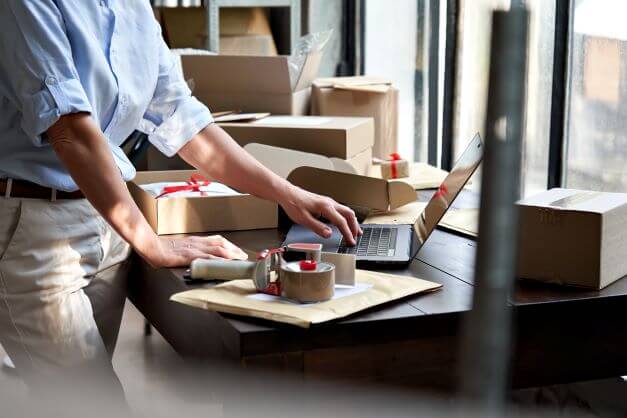
What steps can I take to prepare for launching a home-based retail business?
When beginning a retail company, there is no specific formula to follow although you will need some space in your property to dedicate. The steps you take will depend on the amount of money available, the product or service you plan to offer, and the target market you aim to reach. When you are just starting as an online retailer, it is important to stay adaptable so that you can promptly handle any unexpected developments, such as evolving market patterns.
Think of businesses that you can do from your home based on your abilities and prior knowledge. For instance, if you are creative, think about launching a gift basket business or a flower arranging business. If you have experience in technology, you can try creating a computer maintenance or technical help service. And bear in mind, a drop shipping business while competitive and lower profit margins does mean no handling of goods.
Evaluate the means of financing that you will need for your business. Personal savings are a possibility, or you could look to the help of your friends and family. In addition, credit cards or bank loans are other potential resources to consider as you draft your business plan.
Create a strategy for your small business operating from home. A business plan can assist you to stay focused during the early stages and throughout the life of the business. It is advisable to open a business bank account to stop your personal funds from mixing with the money of your enterprise.

Despite there not being an abundance of clear-cut instructions, the following steps might be useful in launching your venture:
Compose an official plan for a business
Compose a condensed version of your business idea that gives an overview of its purpose. Introduce the retail venture and its primary goal and establish what is essential for launch. Doing so will provide a guide to use when making future determinations. This plan can also be used to track other organizing components such as researching the market and creating marketing plans.
Study the regulations concerning retail sales
When engaging with customers, retail enterprises must adhere to a set of legal obligations. These regulatory criteria differ based on the commodities sold and how they are sold. Before proceeding with your business idea, research price information and customer rights.
It is also critical that you secure the necessary licences and permits to remain in compliance with the law and operate. A business operating licence is required to contribute to the community in which you operate. A seller’s licence is also required because the concept of retail includes the sale of products and services. The licence you need is determined by the products or services you sell, so do your research first.
Choose a location
This stage is only required for those who intend to start a physical brick and mortar store. To guarantee you choose the best location, research surrounding neighbourhoods and shopping habits. Consider how much room you will require for retail operations, considering back-office space, inventory storage, and goods display places. The square footage has an impact on the entire cost of the place, so be realistic about how much space you require. Once you’ve decided on a location, you can start thinking about store layout and design.
If you are a planning on a strictly online retail business only, you just need space to operate and know you can take your place in your chosen niche market. If a dropshipping business, then you do not even need to store stock.
Perform an analysis of the marketplace
Analyse successful businesses that are in the same area as yours and figure out how they built their reputation. Investigate the retail field in general, and the sector that your goods or services belong to. Collect data regarding what the competition is carrying and the extra services they provide. Be prepared to adapt your concepts to meet the need of a sought-after market segment.
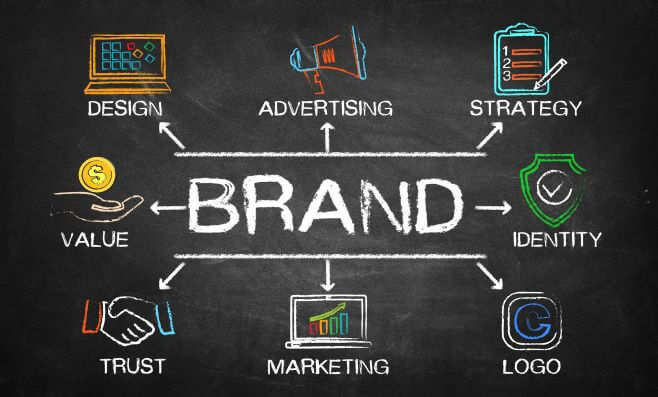
Establish a unique identity for the brand
Brand placement is the activity of instilling your brand in the heads of buyers and includes recognizing your particular advantage (USP). Utilize your research of the market to guarantee you meet a need or react to purchaser interest in the market.
When planning your marketing strategies, consider how your products or services differ from those of your rivals. To establish a distinct brand image, you need to comprehend the requirements and expectations of your desired customers. Utilize this knowledge to emphasize how your business can satisfy their needs and direct your communications to them.
Find suppliers
Investigate local vendors who provide the products you want to sell. You must contact multiple suppliers to get a typical cost and locate suppliers that offer better value for money. Decide if you are content with dealing with foreign suppliers or if you would rather purchase from domestic suppliers. Talk through the terms of your agreement to secure the best bargain.
If you have the intention of trading homemade products or services, it’s still a good idea to investigate vendors who can provide you with the necessary materials to conduct the retail operation. For example, if you are setting up a store that sells homemade apparel, search for providers who can supply you with mannequins, garment stands, and other necessary supplies.
Develop a plan for communication
Starting any business requires an effective messaging strategy puts forth a structure that defines the approach to communication and is reflected in all material related to the business. It ensures that the brand identity is communicated through all aspects of the company.
A messaging strategy should not just cover how employees ought to interact with customers, but also the kind of tone to be adopted in content creation. This strategy can also be an effective way to boost recognition of the brand as well as cultivate faith in the company.
When creating communication plans, visuals are often the main focus. Establish rules for designing posts for social media and websites to ensure that your brand is well-represented in the visuals and graphics.

Establish the marketing plan
Devise a comprehensive marketing strategy that outlines the approach for appealing to your intended audience and the means to get potential buyers. Some retailers take advantage of online platforms and discussion boards to draw people in, while others opt to do online or actual surveys. If you have difficulty connecting with patrons, think about providing them with a special rebate as an inducement to cooperate with the company.
When formulating a marketing plan, emphasize building familiarity and confidence in your brand. Customers are usually hesitant to try out something new, especially if they are already loyal to similar products. Make sure to employ a Retail PR agency for sure-fire marketing tactics and exposure that will be able to reach your intended target audience.
Calculate the financials
When creating your communication and promotional plans and surveying the market, you need to allocate funds for them. Additionally, there are a variety of costs that go into launching a retail business.
Work out the amount of money that you have saved up and then decide how much more you require for startup. Numerous newly created companies apply for business credits or start-up loans that need to be paid back later. It is essential to come up with a strategy to observe your finances and make sure that the money generated from your business does not get mixed with your individual income.
Doing this will stop any little errors when it comes to accounting. When your business venture is up and running, employ an effective system to make projections for sales and income, calculate profit and loss, determine how much capital is needed, and generate a break-even analysis report.
Organise management
Consider the quantity of personnel needed to make the retail industry profitable. It is essential to list out the recruitment plans, job rules, and advantages for employees so that possible contenders are aware of what awaits them. Bear in mind to insert staff training into the financial plan and prioritize teaching them customer service competencies.
To save money, you can employ people who have experience in the retail industry. Make sure to obtain an Employer Identification Number (EIN) before welcoming staff to the company. This will give you the power to hire personnel and make sure that payroll taxes are collected correctly.
Network
Create a reputation among local influencers and your peer group so that you may continue to market your company. Attend local networking events where you can introduce the company and let others get to know the person behind the brand. Local firms frequently form business-to-business connections in which they assist one another in attracting more clients.


