History Of Silver Investing
Silver has been used as a form of money for thousands of years. It was first commonly used in China and India, serving mainly as currency for small transactions. In the 15th century, silver coins were widely circulated throughout Europe and continued to be popular until paper money gained widespread acceptance during the 19th century.
Silver’s value increased when gold prices rose, making it an attractive investment alternative due to its affordability relative to gold. Today, silver is still considered a valuable asset, and many investors are turning their attention toward this precious metal again, especially given current market conditions.
Silver can serve as both a hedge against inflation and a store of wealth over time. Additionally, there are numerous ways to invest in silver, including ETFs (exchange-traded funds), physical bars or coins, futures contracts, stocks of mining companies that specialize in producing the metal, mutual funds that hold shares of these miners and more.
Why Invest In Silver
Investing in silver can be lucrative, but understanding the market and its nuances is critical for success. Silver has long been viewed as an attractive investment option due to its relative affordability compared to other precious metals like gold or platinum.
In addition, it also offers investors a range of options when it comes to storing their assets. This article will introduce investing in silver and outline some of the critical considerations that should be considered before taking this route.
Silver is often seen as a stable asset class, providing reliable returns over time with minimal risk. Its low cost makes it ideal for those looking for diversification within their investment portfolio; likewise, experienced investors may find that adding silver to their existing holdings increases overall return potential without significantly increasing risk exposure.
Furthermore, since silver prices are generally less volatile than other commodities, such as oil and natural gas, they tend not to suffer from wide price swings, making them relatively safe investments even during economic downturns.
Ultimately, whether investing in silver is right for you depends on your financial situation and goals – however, by familiarizing yourself with the basics outlined here, you will have taken the first step towards successful investing in silver. Understanding how the markets work and what factors influence pricing trends is essential to achieve maximum returns while minimizing losses.
Factors That Impact Silver Prices
Silver prices are affected by several factors, both economic and political. These include the industrial demand for silver, investment demand, global supply-demand dynamics, inflationary pressure on currency values, and governmental action or regulations.
Industrial use of silver is one factor that affects its price. Silver is used in many different industries and products, such as electronics, jewellery, coins, photography film and mirrors. When there is an increase in the need for these items, the industrial demand for silver rises which causes the price to go up. Similarly, when there is a decrease in industry demand, it negatively affects silver prices.
Investment demand also plays an integral part in determining the value of silver. Silver bullion and coins have long been seen as safe haven assets during times of financial uncertainty because they retain their purchasing power due to their intrinsic value regardless of changes in paper money exchange rates or stock market volatility.
In addition, investors often purchase futures contracts or ETFs (Exchange Traded Funds) linked to spot silver prices to gain exposure to potential gains or losses related to movements in the underlying commodity markets over time. This increased level of speculation helps drive up prices even further as more individuals enter positions hoping to capitalize on any potential movement within those markets.
Types Of Silver Products
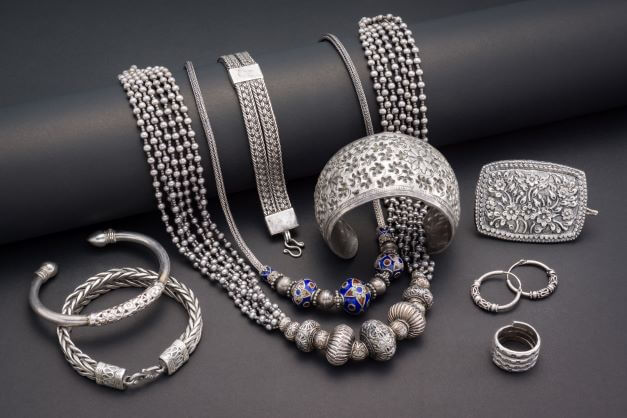
Investors now have access to a wide range of options when it comes to investing in silver, whether physical coins & bars, paper certificates held by banks & brokers or digital assets like cryptocurrencies stored inside encrypted wallets – each method offers unique advantages depending on individual preferences and goals. Ultimately, however, no matter what avenue you choose, always remember that research is vital when selecting any asset class for your investment portfolio!
Many different types of silver products are available for investors interested in diversifying their portfolios. This section will discuss the various forms of silver that can be purchased:
Physical Silver:
- Coins: Minted coins are popular with collectors and investors due to their collectable nature and relative availability compared to other physical silver investments. Commonly minted coins include American Eagles, Canadian Maple Leafs, Australian Kangaroos, Austrian Philharmonics, and Mexican Libertads.
- Bars: Silver bars come in a variety of sizes ranging from one ounce up to 1 kilogram (1kg). They are typically produced by private mints or refineries, such as Johnson Matthey, Royal Canadian Mint (RCM), Pamp Suisse, Sunshine Mining Company and more. These bars contain .999+ pure silver content, making them ideal for investing.
- Jewellery: Investing in jewellery is another option for those looking to accumulate physical silver. Popular items include rings, bracelets, necklaces and earrings crafted from sterling silver (.925 purity) along with select designs made from higher quality gold/silver alloys like 24K yellow gold/sterling silver or 14K white gold/sterling silver combinations.
Paper Silver:
- Exchange Traded Funds (ETFs): ETFs offer an easy way for investors to gain exposure to the underlying asset’s price movements without having to purchase it directly through a broker or dealer. The most common ETFs track the spot prices of gold or silver on major global exchanges such as the London Bullion Market Association (LBMA) or COMEX International Precious Metals Exchange (CIPME).
- Futures Contracts: Another form of paper silver is futures contracts, allowing buyers and sellers to enter into agreements that agree upon delivery dates at set prices.
These contracts are usually traded on large commodity exchanges such as NYMEX/COMEX in New York City or ICE Futures Europe in London. Still, they can also be traded over the counter if necessary. Investors should know that these contracts have expiration dates, so they must monitor them closely to maximize returns before expiry.
Digital Silver:
- Cryptocurrency Exchanges & Wallets: One type of digital silver investment is cryptocurrencies such as Bitcoin or Ethereum which can be bought on cryptocurrency exchanges using fiat currency like USD or EURO.
- Additionally, some wallets support purchasing precious metals, such as GoldCore’s Vaultoro platform, which allows users to buy real-time allocated gold bullion stored safely within insured vaults located around the globe while still maintaining full ownership rights over their holdings via blockchain technology.
Advantages Of Investing In Silver
Silver has become a popular asset for investors due to its numerous advantages. Silver is an affordable alternative to gold, making it attractive to those who want exposure to precious metals but lack the funds necessary to invest in gold.
Silver also provides protection against inflation and currency devaluation, as silver prices tend to increase when other financial markets are unstable. Furthermore, silver can be easily converted into cash or other assets without incurring significant transaction costs.
In addition to these advantages, investing in silver offers tax benefits compared to other types of investments. This makes it attractive for individuals looking for long-term investment strategies with low taxation rates. Additionally, many countries have laws that provide exemptions from capital gains taxes on profits made from trading physical silver bullion products such as coins and bars.
Investing in silver offers both short-term and long-term potential returns depending on market conditions and investor objectives. By diversifying portfolios with silver, investors may benefit by reducing risk while still taking advantage of the metal’s unique properties, making it valuable during economic instability.
Disadvantages Of Investing In Silver
Investing in silver can be a great way to diversify an investor’s portfolio, but weighing the risks and disadvantages associated with this type of investment is crucial. Silver prices can be volatile due to market forces and geopolitical events that affect supply and demand. While silver has historically been considered a safe-haven asset during times of economic uncertainty, this may not always be true.
Silver also carries counterparty risk since it is traded on exchanges rather than physically held by investors. This means that there are potential losses if the exchange fails or experiences fraud.
Additionally, silver ETFs have become increasingly popular as they offer exposure to the metal without actually owning it. Still, these carry their own set of inherent risks, such as liquidity issues and tracking errors. Finally, storage costs for physical silver can add up over time and require secure facilities which may not be available in certain locations.
Where To Buy Silver
Silver can be purchased in various ways, allowing investors to choose the best method that suits their needs and preferences.
- Bullion:
- Online bullion dealers offer silver coins and bars at competitive prices.
- Precious metal exchanges provide access to a wide selection of products.
- Local coin shops are great for those who prefer face-to-face interaction when making purchases.
- Collectables:
- Coin auctions allow buyers to bid on rare or vintage items.
- Antique stores may have unique collectable coins available for purchase.
- Speciality websites offer an array of certified coins and other collectables worldwide.
- Exchange Traded Funds (ETFs):
- ETFs hold baskets of assets that track the price of silver, providing exposure without requiring direct ownership of physical metals.
- Brokerages enable users to buy shares in these funds quickly and efficiently through online platforms.
- Investors should consider fees associated with purchasing ETF shares before deciding which option is right for them.
Where To Store My Silver

Investors must also take into account storage costs depending on how much silver they plan to purchase; this includes safety deposit boxes, home safes, or third-party vaults if necessary. It’s important to remember that risks are involved with investing in any asset class.
So, it’s always wise to do your due diligence beforehand – research current market conditions thoroughly and speak with professional advisors as needed. A well-informed investor stands a better chance at success than one going in blindfolded!
Conclusion
Silver investing is an increasingly popular option for those looking to diversify their investment portfolios. Silver prices, like all commodities, are subject to market fluctuations and economic factors, making it essential for investors to be mindful when considering a silver investment.
Investors may choose from a wide range of silver products and gain access to the advantages of investing in silver, such as protection against inflation and portfolio diversification.
In conclusion, although both advantages and risks are associated with silver, it remains an attractive option for many investors due to its relative affordability compared to gold and other precious metals. Those interested in getting involved must weigh the pros and cons before deciding if this type of investment suits them. With proper research and informed decision-making, silver investments can benefit any investor’s portfolio.
It is essential for any investor looking into buying silver to understand all the potential risks involved before making any decisions. A thorough research process should lead to more informed investment decisions when considering whether or not to invest in silver.