With rising utility bills spiralling and many households struggling despite major lifestyle changes, it’s time to question if investing in renewable energy at home is the smart move.
What Is Renewable Energy?
Renewable energy is an energy source generated from natural resources such as sun, wind, water and biomass.
Often referred to as green energy as the process does not require the use of any fossil fuels such as gas or oil. Most governments have signed up for the Paris Accord The Paris Agreement | United Nations have promised to reduce carbon emissions over the next few years.
With this in mind, homeowners are encouraged to seek more renewable forms of energy for their homes. The UK government introduced grants in 2021 under the Green Scheme of up to £5,000 per household, but that scheme, unfortunately, is no longer available to UK residents.
All existing homeowners in the UK have until 2035 to bring their properties into line with new minimum energy efficiency requirements or EPC ratings. All homes will need to be ‘C’ rated by 2035, whereas currently, just over 40% comply in England.
For landlords, the timeframe set could be much more challenging, and they will need to comply sooner. Properties will likely need to be ‘C’ rated by 2025 for landlords entering into a new tenancy agreement and by 2028 for rentals covered by a pre-existing tenancy agreement.
Government figures suggest that only 15% of rental homes will comply, and the exact dates for making these improvements will be confirmed soon following a recent consultation.
What Types Of Renewable Energy Can I Have?
Solar Power
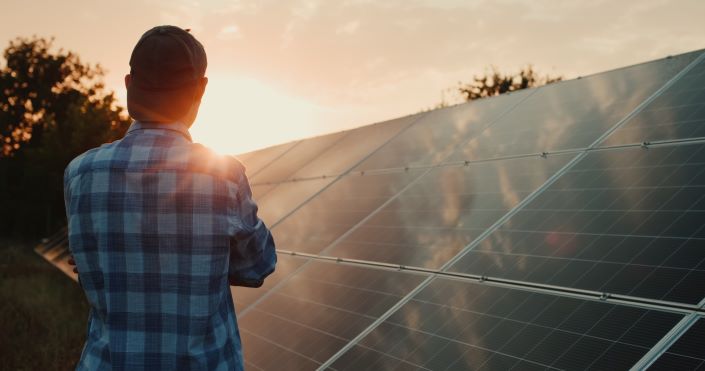
We have all seen the rooftops with substantial solar panels aimed in the direction of the sun, and these have proved over the years to be the most popular form of renewable energy for households in the UK.
Whilst an average installation will cost you between £2500 and £8000. This will vary depending on the panels you choose and the size of your roof. There are also solar roof tiles; these are much more costly than solar panels, between £5000 and £14000, depending on how many are needed.
Easily the most efficient way to generate electricity whilst reducing your carbon footprint. Solar is a renewable technology that has become easier and cheaper to install meaning you can make money back a lot quicker that with a conventional system.

Solar Heating
This works on the same principle as solar power but is used to heat water and central heating systems. This has proven not to be as popular as some renewable energy options, as it will take over 25 years to recoup the installation costs of an average of £4,000.
That aside, it is much more environmentally friendly than your gas boiler, which will also take the same amount of time for you to recoup your costs.
Air and Ground Source Heat Pumps
The two types of heat pumps are as effective as each other, but what is the difference?
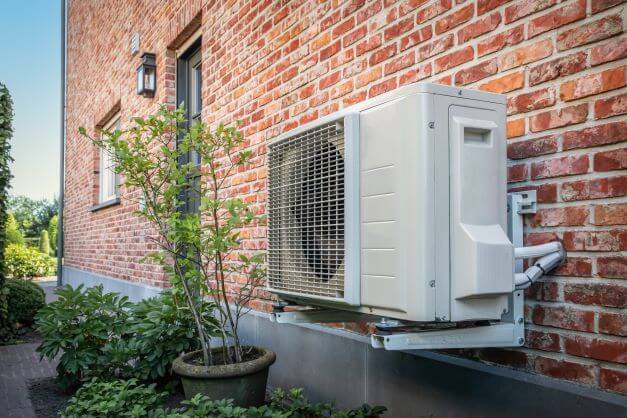
An air-source heat pump generates energy from the air, and ground-sourced heat pumps from the ground. Ground-sourced heat pumps will require more work to install and are therefore more expensive initially but have a greater energy rating and, therefore, better for the environment.
Due to their low running costs, ground and air-source heat pumps can provide significant savings over traditional heating systems. For example, a ground source heat pump can reduce energy bills by 53% compared to a new gas boiler.
However, improper maintenance of your heat pump could lead to a 25 per cent increase in your energy bills. Blocked and dirty filters reduce the amount of airflow that can pass through the system and may harm performance. It’s also worth checking the fan regularly to ensure no debris, such as leaves, is stuck in it.
The costs of installing an air source heat pump can vary from £8,000 to £18,000, whilst a ground source heat pump costs can range anywhere from £14,500 to £45,000.
Biomass System
Biomass boilers burn a highly sustainable, carbon-neutral and renewable fuel in the form of wood. This is a relatively old-fashioned way of generating heat, but it’s one of the most reliable.
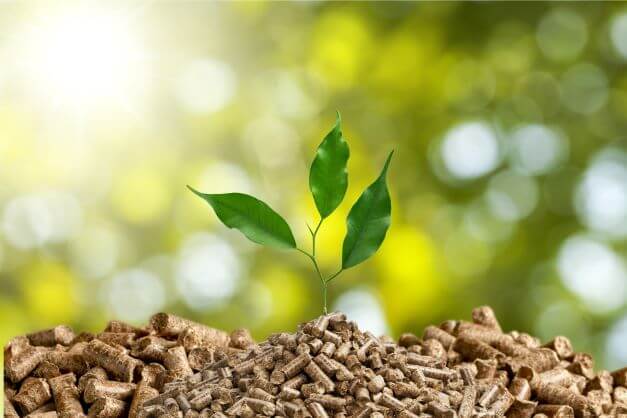
Biomass heating systems burn wood pellets, chips or logs to provide warmth in a single room or power central heating and hot water boilers. A stove burns logs or pellets to heat a single room – and may be fitted with a back boiler to provide water heating.
Biomass fuel is significantly cheaper per kW than oil and electricity and slightly cheaper than gas.
Not only does it supplies us with energy, but it also helps with the disposal of wood and other waste materials. Replacing a coal or electric heating system with a biomass boiler can help you reduce your carbon dioxide output by up to 9.5 tons annually. Biomass energy is a great way to dispose of waste wood.
Whilst every Biomass boiler will be specific to the home it is installed into, you can generally expect the total cost to range between £4,000 and £21,000.
Wind Power
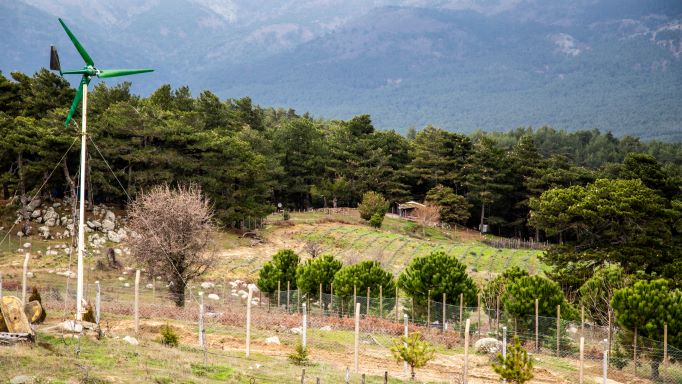
If you have yet to become familiar with wind turbines, they are large blades mounted on buildings or poles. The vast blades catch the wind as it blows and turn it into energy, which you can use in your house for all your needs, including electric radiators for heating.
Do you need planning permission for a wind turbine in your garden UK?
Only the first installation of any wind turbine would be permitted development, and only if there is no existing air source heat pump at the property. Additional wind turbines or air source heat pumps at the same property require an application for planning permission.
The cost of a domestic wind turbine, including installation, is roughly £7,000.
One major factor with this kind of green energy is your location. Built-up residential areas will not see the total capacity of the turbine as with your home being at the bottom of a valley.
Why Have Renewables Become So Cheap?
Governments offer long-term, fixed-price contracts to generators for their renewable energy output. This has been the biggest driver of investment, while competitive auctions of these contracts to companies keen to build renewables have slashed building costs the most.
The UK is leading the way in renewable household energy throughout Europe and has been able to make the price of green energy a much more affordable option to its residents.
The main factor is that the more infrastructure you have the cheaper it becomes to produce and supply renewable energy.

Does It Add Value To The Property?
A study by Effective Home, which specialises in solar panels, found that sale prices for homes with solar systems rose about 14%. And that’s because these homes had solar panels. One of the reasons for this increase in home value is that more people want to have a greener lifestyle and save money on energy prices.
With solar panels, you will gain a better score on your EPC, and your property will become more attractive to buyers. Not only that, the buyer will reap the benefits immediately without any of the cost or hassle of installing them.
Is It Worth It?
In terms of your future energy bills and environmental and climate costs, most certainly. The average saving is significant: If you live in London, for example, and have solar panels fitted to your house, you can save up to £440 on electricity bills and export as much as £125 on the SEG Smart Export Guarantee (SEG) – Electricity Suppliers | Ofgem. At the cost of an average of a £4,800 system, you would have it repaid in under nine years.
Is Renewable Energy Tax Deductible?
If you work from home as many people do here in the UK, you can claim relief on costs at the following rates: For 2022 and 2023, 30% for electricity, heating and internet costs.
It is not any higher than with fossil fuels but is still a saving worth considering when installing renewable energy into your home.
Why Are We Reluctant To Switch To Renewable Energy?
It all comes down to cost and infrastructure. Ultimately, the biggest hindrance to renewable energy development is its cost and logistical barriers. Once the infrastructure for renewable energy sources grows, we will see it take off in popularity and use.
The concern that installation costs have been historically high and that you cannot take it with you if you decide to move has put people off.
That, coupled with the fact that energy storage in battery form is so expensive, with the average storage battery for a three-bedroom house costing £4,700, means many UK residents have not taken up the change to renewables.

Why Switch To Renewable Energy?
It all comes down to cost and infrastructure. Ultimately, the biggest hindrance to renewable energy development is its cost and logistical barriers. Once the infrastructure for renewable energy sources grows, we will see it take off in popularity and use.
We are being set targets to reduce carbon emissions and will have to have renewable energy in our homes as part of the aforementioned Paris Accord and once the cost of installation are on a par with the cost of saving made on energy bills the rise in the popularity of renewable energy will increase.
FAQ’s
Are renewables cheaper than gas UK?
Yes, renewable energy is cheaper than fossil fuels. In 2021, IRENA reported that two-thirds of newly installed renewable power in G20 countries had lower costs than the cheapest fossil fuel-fired option – and they’re only set to get more affordable from here on out.
Which is cheaper, wind or solar?
According to IEA World Energy, solar and wind power are the most cost-effective.
Solar panels are easier to establish, as some homes will need a different location for a wind turbine, but still, because it only supplies a smaller amount of households, the costs can be higher.
Can the UK be self-sufficient in renewable energy?
The UK is well on its way to creating an electricity system based on renewable and carbon-free sources. 2020 marked the first year in the UK’s history that electricity came predominantly from renewable energy, with 43% of our power coming from a mix of wind, solar, bioenergy and hydroelectric sources.
Is gas heating being phased out in the UK?
The gas and oil banner ban in 2025 only applies to newbuild properties. There are no plans to phase out gas boilers in existing homes. That said, the government may encourage more of us to ditch gas in favour of alternatives.
What is the biggest problem with renewables?
Historically, one of the significant problems with renewable energy generation is that supplies are far more variable than other means of energy generation. Fluctuations in sunlight levels and wind mean that supplies are less consistent than those derived from fossil fuel plants.